The Thermos Cabinet: Britain’s Allotment Sheds Are the Last True Houses of Parliament
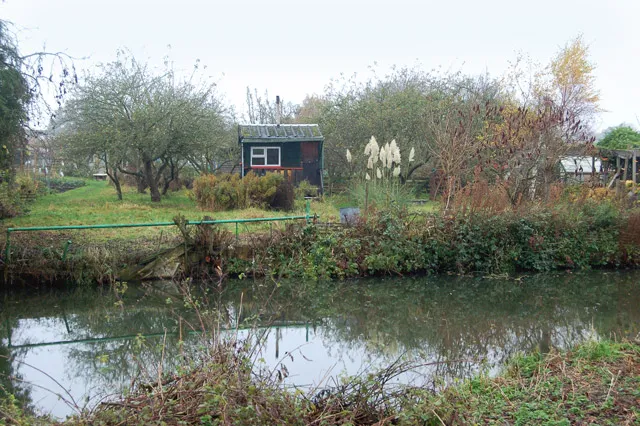
Photo: Andy F, CC BY-SA 2.0, via Wikimedia Commons
Every allotment site has one: a shed that looks like it should be storing rakes but is actually running a small, unlicensed government. In 2026, while the rest of the country shouts into phones and algorithmically selected feeds, Britain’s allotment sheds remain the last true Houses of Parliament. No whips. No manifestos. Just a Thermos, a packet of Hobnobs and a retired geography teacher explaining why your tomatoes are emotionally stunted.
These are not simply storage units with delusions of grandeur. They are debating chambers, crisis centres and diplomatic missions, all crammed into a space smaller than a decent parking bay. Step inside one and you enter a world where compost is foreign policy, biscuit choice is character evidence and the correct way to knock on a door is a matter of national importance.
The knock that says everything
Shed etiquette begins before you reach the door. You do not stride up to a shed and peer through the window like a bailiff. You approach along the path at a pace that suggests you have somewhere else to be, even if you absolutely do not. You knock on the frame, not the glass, and you wait.
A grunt means wait. A cough means wait. A full sentence means wait. Only an actual invitation – ‘come in’, ‘hang on’ or the rustle of a chair being moved – permits entry. If the door is shut and the occupant is inside, you leave. No exceptions. A closed shed door is the allotment equivalent of a red dispatch box.
Once inside, accept the tea. Refusing tea is not a lifestyle choice; it is a diplomatic incident. You may decline sugar, but you must do so apologetically. You may bring your own mug if you are a regular, but you must not comment on the mug you are given, even if it commemorates a royal wedding you have spent years trying to forget. Biscuits are more fraught. Hobnobs are safe. Custard creams divide communities. Jaffa Cakes are not biscuits and anyone who brings them is either a maverick or a troublemaker, possibly both.
Compost is the foreign policy
Inside the shed, conversation eventually reaches the compost bin. It always does. The compost bin is where allotment society conducts its foreign policy: cautious alliances, historical grievances and quiet expansionism. One plot holder swears by horse manure. Another has gone peat-free and will tell you about it for forty minutes. A third has a wormery and a look in their eye that suggests they have seen things.
There are unwritten rules here. You do not inspect another person’s compost heap unless invited. If invited, you look respectfully, nod at the correct moments and do not recoil at the smell. You do not take from a neighbour’s heap without asking. If they say ‘help yourself’, you take a measured handful, not a wheelbarrow. And you never, ever describe someone’s carefully layered pile as ‘a bit wet’ unless you are prepared to spend the rest of the afternoon defending your own drainage strategy.
The shed philosophers – retired teachers, ex-punks, part-time engineers and people who simply refuse to be indoors – hold court over these matters. They have opinions on slug pellets, council allotment officers, the decline of manners and the correct way to sharpen a hoe. They do not always agree. In fact, disagreement is the point. The shed is the last refuge for unregulated opinion, a place where you can say ‘I think marrows are overrated’ and nobody will cancel you, though somebody may bring it up again in 2029.
Mild mischief and the Thermos Cabinet
For all the etiquette, there is mischief. Allotment sheds have always attracted ratbags: people who relocate slugs to a neighbour’s brassicas, leave a single perfect courgette on a bench with no note, or swap seed labels as a joke that will only be understood in June. Nothing too cruel. Just enough to remind everyone that gardening is not a solemn duty; it is a hobby with a shed attached.
This is where the Thermos Cabinet comes in. Decisions are made in sheds, over hot drinks, with no minutes and no recorded votes. Should the site buy a new strimmer? Should the hedge be cut before the summer fete? Is it acceptable to play Radio 2 at a volume that suggests a small festival? The answer emerges slowly, usually after two cups and a biscuit, and is confirmed by a nod. The nod is the only binding vote.
Sheds themselves are status symbols, but quietly so. A shed with a kettle is a community centre. A shed with a stove is a duchy. A shed with a rug, a radio and a framed photograph of a prize-winning onion is basically a palace. Gloating is frowned upon. So is unsolicited advice. The correct response to a neighbour’s new double-glazed window is a long, neutral sip of tea and the words ‘very smart’.
How to be a good shed guest
If you are invited in, follow the basic rules. Sit where you are told. Do not move the chair with the cushion unless invited. Do not photograph the interior without permission, especially the shelf where the secret biscuit tin lives. Do not offer advice on tomatoes, beans or life unless specifically asked, and even then, begin with ‘I’m no expert, but…’
Bring something. A packet of Hobnobs is fine. A spare pair of gloves is better. A genuine compliment about the shed’s organisation is currency. And know when to leave. The shed visit has a natural rhythm: tea, chat, one mild disagreement about compost, a look at the weather, then out. Overstaying is remembered. Leaving too early is also remembered, but more kindly.
The allotment shed is not really about gardening. It is about belonging to a small, slightly eccentric society with its own rules and its own Thermos. In a world that never stops performing, the shed offers something rare: a place where you can sit, say something mildly controversial about rhubarb and still be offered a biscuit. Knock gently. Accept the tea. And if anyone offers you a marrow, run.