The Phone Box Philanthropists: Britain’s Rogue Book Exchanges Are Winning
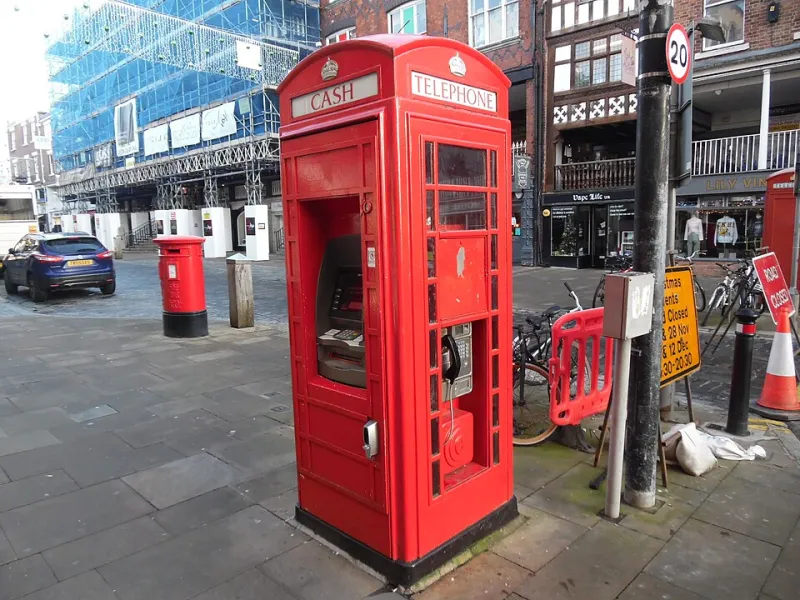
Photo: David Hillas , CC BY-SA 2.0, via Wikimedia Commons
On a wet Tuesday in a village somewhere between a bypass and a farm shop, a woman in a cagoule is unlocking a decommissioned phone box. Inside, instead of a dial tone, there are 200 paperbacks, a Tupperware box of James Pattersons and a handwritten sign that says ‘Take one. Leave one. Do not leave the Jeffrey Archer.’ This is not a library. It is a small act of civic defiance with a damp smell.
A lending library with no card, no fines, no roof
Britain is riddled with these places. They are in phone boxes, bus shelters, redundant newspaper kiosks, old wardrobe carcasses screwed to a fence and, in one memorable case in Norfolk, a fridge. They are unofficial, unstaffed and often technically illegal, depending on which bit of council land they are bolted to. They run on trust: you take a book, you bring a book, you try not to think too hard about the mechanics of the germ economy.
The volunteers behind them are not librarians in the traditional sense. They are retired teachers, busybody neighbours, people who have decided that the village needs something to do that isn’t a Facebook group argument about dog mess. They restock. They tidy. They remove the books that have been there since 2019 and are now so warped by damp they could be used as roof tiles. They laminate signs. They write things like ‘PLEASE DO NOT USE AS A BIN’ and ‘THIS IS NOT A PLACE FOR YOUR OLD YELLOW PAGES’. They are, in their own quiet way, running a public service.
The standoff on the A-road
The council, of course, has a view. The council always has a view. The view is usually that the phone box is on a highway verge, or the bus shelter is council property, or the Perspex box cable-tied to the railings constitutes an obstruction. There are letters. There are phone calls. There is a man from highways who comes out, looks at the books, says ‘well, it’s not doing any harm’ and then writes a report saying it must be removed for health and safety reasons.
The volunteers respond with the traditional British resistance tactics: polite emails, a petition, a letter to the parish newsletter, and a quiet refusal to move. One group in Somerset was told to remove its book box from the bus shelter because it posed a fire risk. They pointed out that the shelter was made of glass and metal and the books were paperbacks. The council said the books could still burn. The volunteers said so could the timetable. The box stayed. The council moved on to something else. This is how Britain works.
The Little Ratbag rankings: Britain’s most chaotic roadside book exchanges
We have conducted an entirely unscientific survey of these places, and we are pleased to report that the standard is high. Here are the ones that have stuck in the memory.
The Phone Box Classic. A red phone box in a village with a duck pond and a pub that does not do food. Inside: a complete set of Dick Francis, a book about beekeeping, and a copy of Fifty Shades of Grey that has been there so long it has developed a patina. The sign says ‘Please close the door to keep the books dry’. No one closes the door. The books are damp. The Dick Francis is still readable.
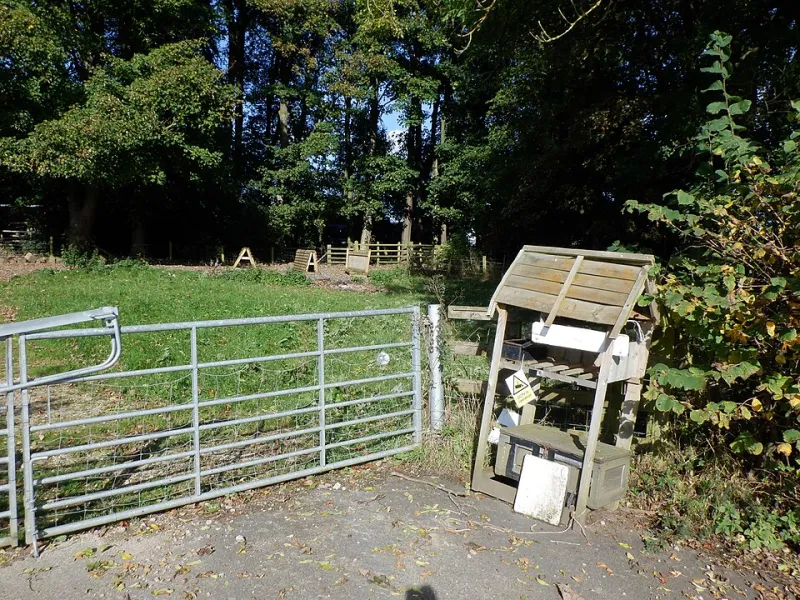
The Bus Shelter Annex. A Perspex box cable-tied to the side of a shelter on a B-road. It contains three thrillers, a recipe book for air fryers, and a children’s encyclopedia from 1998. The cable ties are the strongest part of the operation. The books are arranged in a way that suggests a dispute between two volunteers with different visions. One believes in alphabetical order. The other believes in ‘just shove them in’.
The Fridge. Yes. A fridge. In Norfolk. It is not plugged in. It has a sign that says ‘BOOKS, NOT MILK’. It is possibly the most Norfolk thing that has ever happened. The fridge has a shelf for hardbacks, a shelf for paperbacks and a shelf for ‘books that are falling apart but someone might want them’. It is a masterpiece of improvised civic infrastructure.
The Wardrobe on the Green. A wooden wardrobe, painted blue, standing on a village green. It has glass doors, a little roof and a sign that says ‘The Little Free Library’. It is technically a branded franchise of an American idea, but the volunteers have made it their own by filling it with Catherine Cookson and a Haynes manual for a Ford Fiesta. It is the most British thing in the world.
Borrow, return, repeat (or don’t)
The beauty of these places is that they do not care about your library card. They do not care about your fines. They do not care that you have had that Lee Child for four months and have no intention of returning it. They operate on a kind of low-level optimism: that people are mostly decent, that books are mostly worth passing on, and that a small box of paperbacks can make a bus shelter feel less like a place you wait and more like a place you linger.
So next time you see one, do the decent thing. Take a book. Leave a book. Do not leave the Jeffrey Archer. And if the council comes round with a clipboard, just tell them you are doing a survey. It works for them.