Glitter, Grievances and the Last Decent Stollen: How to Survive a Village Hall Christmas Fair

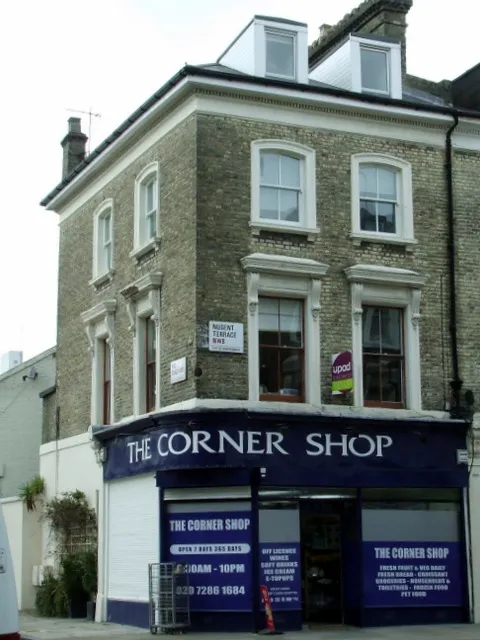
Photo: Basher Eyre , CC BY-SA 2.0, via Wikimedia Commons
The village hall Christmas craft fair is one of Britain’s great seasonal contradictions. It smells of mince pies, old radiators and quiet ambition. It is wholesome. It is local. It is also a low-level battlefield where the stakes are small, the grudges are long and the tombola is absolutely not a game.
In November 2026, as the tinsel comes out and the church hall noticeboard starts filling up with hand-drawn posters, here is your survival guide. Bring cash. Bring a sturdy bag. Bring a forgiving attitude towards glitter, because you will be finding it in your coat until March.
Know your stall hierarchy
The moment you walk in, the social order is visible. The best table is by the door, catching the draught and the early footfall. That table belongs to someone who has been doing this fair since before the hall got its new kitchen. They have a tablecloth with a hem and a box of change that is somehow always correct.
Then come the mid-hall stalls: the knitters, the candle people, the person selling wooden reindeer made from someone else’s old pallets. Further back, near the tea urn, are the newer arrivals. They have enthusiasm, a card reader and no idea that the woman with the chutney has already claimed the plug socket.
Do not comment on the table allocation. Do not ask why the jam lady has two tables. Do not suggest a ballot. The table plan is not a plan. It is a peace treaty. Respect it.
The tombola is not a game
The tombola operates on a simple principle: pay for a ticket, win a prize, wonder why you are now the owner of a small ceramic frog. But beneath that simplicity lies a tactical universe.
Some tombolas are honest. Some have a ‘star prize’ that is visibly just a bottle of wine from the back of a cupboard. The real experts study the table before buying a strip. They note the ratio of quality prizes to sad-looking toiletries. They understand that a tombola is not random. It is curated chaos, and the curator has strong opinions about who deserves the good hamper.
If you win, be gracious. If you lose, buy another ticket and pretend it is for the children. If you win twice, consider donating one prize back to the stall. This is not generosity. It is diplomacy.
Artisan jam and the politics of preserves
Somewhere in every village hall fair, there is a table of ‘artisan’ preserves. The jam is in a jar with a handwritten label tied on with string. The seller will explain that the fruit was foraged locally, the sugar was reduced and the whole thing was made in small batches. This is usually true. It is also usually £6.50.
Do not ask whether it is better than supermarket jam. That is not the point. The point is the story. You are not buying jam. You are buying the idea that someone spent a Sunday picking blackberries and thinking about the good life. You are also buying a jar that will sit in your cupboard until next Christmas, when you will politely regift it to someone who will do exactly the same.
The same applies to chutney, marmalade and anything described as a ‘relish’. Buy one. Look pleased. Move on. The preserve economy runs on eye contact and small talk.
The craft object you never knew you needed
Every fair has one item that makes you stop and think, ‘Who made this, and what were they going through?’ It might be a knitted tea cosy shaped like a hedgehog. It might be a framed print of a local landmark that looks nothing like the local landmark. It might be a hanging decoration made from a CD and some ribbon that somehow costs £12.
Buy it anyway. Not because you need it. Because it is a tiny monument to human effort in a world that is increasingly designed by algorithms. Somebody sat down and thought, ‘What this town needs is a felt robin on a stick.’ That is a kind of courage.
And let’s be honest: the weird craft objects are the best bit. They are the reason you came. The mince pies are fine. The raffle is fine. But the slightly unsettling owl made from pine cones? That is the soul of the fair.
Survival rules for 2026
First, arrive early for the good stuff and late for the reduced jam. Second, bring a reusable bag that can handle a sudden purchase of a hand-painted sign saying ‘Live, Laugh, Mulled Wine’. Third, do not get between a pensioner and the last slice of stollen. Fourth, if you see a stallholder looking stressed, buy something small and say something nice. Fifth, and most importantly, remember that everyone here is doing their best.
The village hall Christmas fair is ridiculous, but it is a good kind of ridiculous. It is people in a cold room trying to make a little bit of magic and a little bit of money. It is glitter on the floor and a raffle nobody quite understands. It is Britain being awkward and hopeful at the same time.
Go. Buy a jam. Win a ceramic frog. Compliment the tombola lady. Then go home and find glitter in your shoe until February. That is the deal, and honestly, it is worth it.